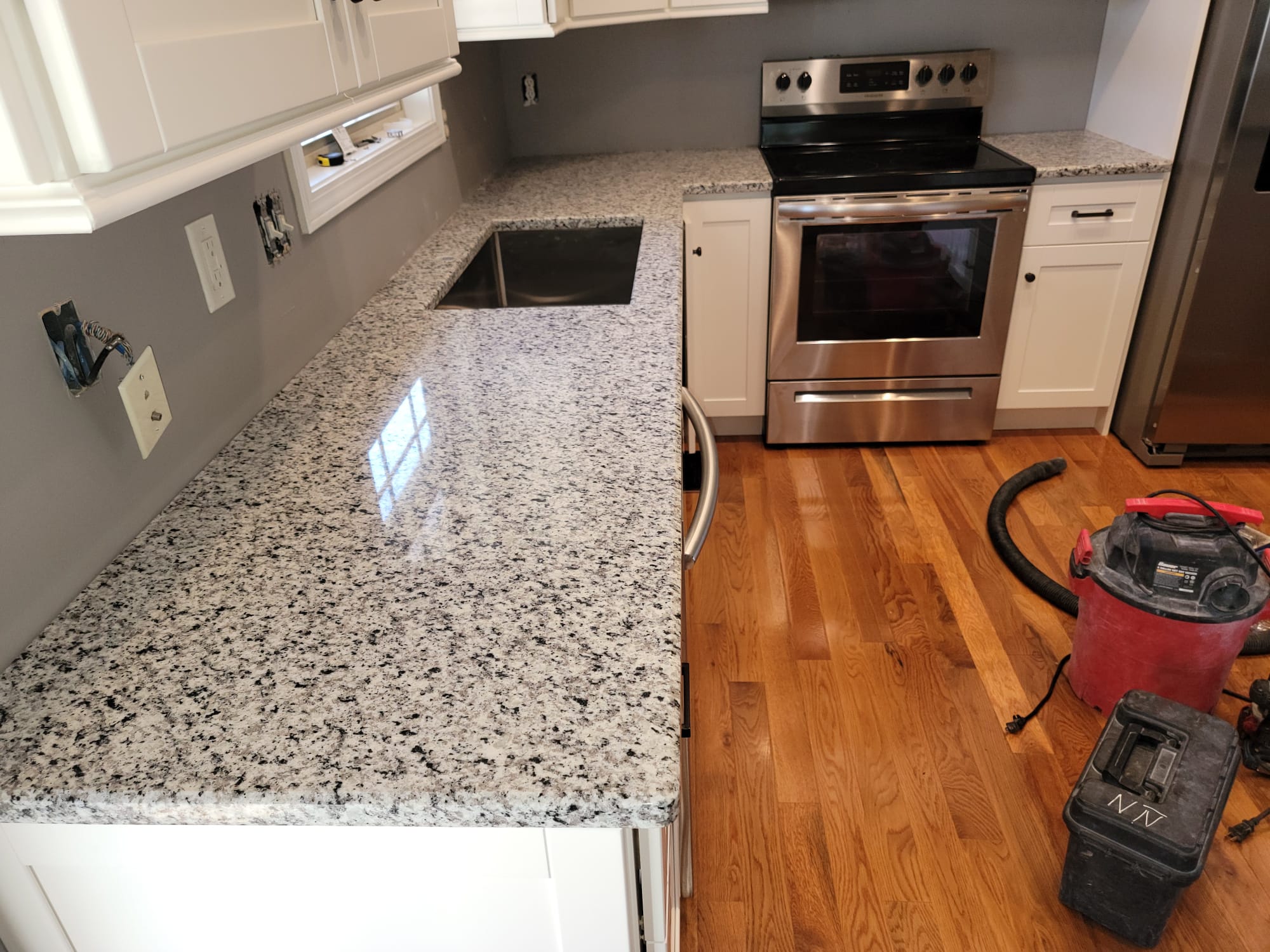
The Ultimate Guide to Granite Shower Installations
Granite showers have become a popular choice for homeowners looking to elevate their bathroom design. With their unique aesthetic appeal and durability, granite showers offer both luxury and functionality. In this guide, we will explore everything you need to know about granite shower installations, including benefits, installation processes, maintenance, and design options.
Why Choose Granite for Your Shower?
Granite is an excellent material for shower installations for several reasons:
- Durability: Granite is a hard, durable stone that can withstand heavy usage.
- Water Resistance: Properly sealed granite is resistant to water and moisture.
- Aesthetic Appeal: Each slab of granite is unique, providing a luxurious look.
- Heat Resistance: Granite can handle high temperatures, making it a safe option near heated surfaces.
- Low Maintenance: With the right care, granite can last for decades without significant wear.
Planning Your Granite Shower Installation
Before diving into the installation process, careful planning is essential. Here are key considerations:
- Size and Layout: Measure the shower space accurately to determine the amount of granite needed.
- Design Style: Choose a granite color and pattern that complements your bathroom decor.
- Budget: Establish a budget that includes materials, labor, and additional features.
- Drainage: Ensure proper drainage to prevent water pooling in your shower.
The Installation Process
Step 1: Preparation
The first step in the installation process is preparing the shower area. This involves:
- Removing existing fixtures and tiles.
- Cleaning the surface to ensure a proper bond with the granite.
- Checking for plumbing and electrical issues that need addressing.
Step 2: Cutting and Fitting the Granite
Once the area is prepared, the granite should be cut to fit the exact dimensions of your shower. This may involve:
- Measuring and marking the granite slabs.
- Using specialized tools to cut the granite accurately.
- Fitting the pieces together to ensure a seamless installation.
Step 3: Installation
After the granite is cut and fitted, the installation can begin. This includes:
- Applying the appropriate adhesive to the wall and granite pieces.
- Carefully placing the granite onto the wall, ensuring it is level.
- Sealing the edges to prevent water leakage.
Step 4: Finishing Touches
Once the granite is in place, finishing touches are essential. This involves:
- Installing fixtures such as showerheads and faucets.
- Applying grout between granite pieces for a polished look.
- Cleaning the surfaces to remove any excess adhesive or debris.
Maintenance Tips for Granite Showers
To keep your granite shower looking pristine, follow these maintenance tips:
- Regularly clean the surface with a mild soap and water solution.
- Avoid harsh chemicals that can damage the granite.
- Seal the granite every couple of years to maintain its water resistance.
- Wipe down wet surfaces to prevent water spots and mineral build-up.
Conclusion
Granite shower installations can transform your bathroom into a luxurious retreat. By understanding the benefits, planning the installation process carefully, and maintaining your granite, you can enjoy a beautiful and functional space for years to come. If you're considering a granite shower installation, consult with professionals to ensure a successful project.